
AI vs. Creators: The Rising Legal Battles Over Copyright
As AI companies face increasing lawsuits over copyright infringement, authors, news organisations, and image providers are fighting back. Legal battles against OpenAI, Meta, and Stability AI highlight concerns over unauthorised data usage. These cases could set major precedents, shaping the future of AI, intellectual property, and content ownership rights.
3/1/20251 min read
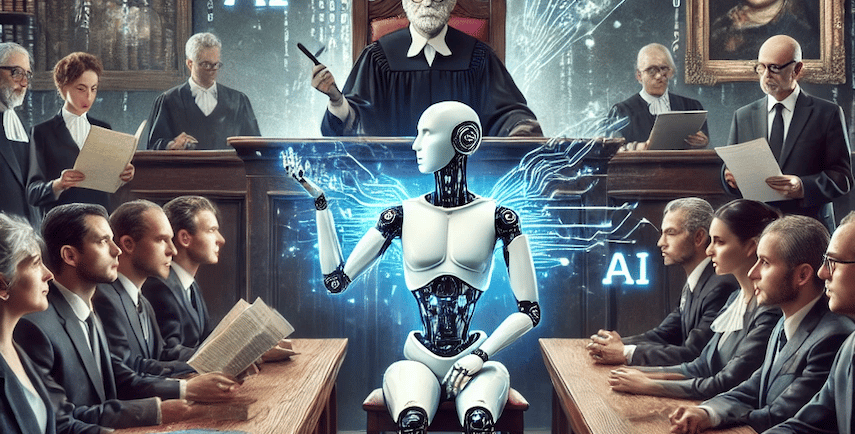
Legal Battles Against AI Companies: The Growing Fight Over Copyright
As artificial intelligence continues to evolve, so do the legal challenges surrounding its use. In recent months, several major lawsuits have been filed against AI companies, particularly concerning the unauthorised use of copyrighted material for training AI models. Authors, news organisations, and image providers are pushing back, demanding accountability and fair compensation.
Authors and News Organisations Take Action
The Authors Guild Lawsuit: Prominent authors, including George R.R. Martin and Michael Chabon, have sued OpenAI and Meta for allegedly using their works without permission to train AI models. The lawsuit highlights concerns over intellectual property rights in the age of AI.
The Intercept vs. OpenAI: The news organisation The Intercept has taken OpenAI to court, claiming the company used its articles without consent. A U.S. District Judge recently ruled that OpenAI must face part of this lawsuit, particularly regarding the removal of copyright management information.
AI’s Impact on Visual Content
Getty Images vs. Stability AI: AI-generated images are also at the centre of legal disputes. Getty Images has sued Stability AI, the company behind Stable Diffusion, for allegedly using its extensive image library without authorisation to train AI models.
The Bigger Picture
These legal battles underscore the growing tension between AI developers and content creators. While AI companies argue that using publicly available data falls under fair use, copyright holders contend that their work is being exploited without consent or compensation. These lawsuits could set important legal precedents, shaping the future of AI development and content ownership. As AI’s role in content creation expands, so too will the debate over intellectual property, fair use, and ethical AI development. The fight is far from over, and the decisions made in these cases will have lasting implications for the industry.